We have something just for you...

Blog
Is Over-Sanitizing Messing with Your Microbiome (and Your Immune System)? 🧼🚫🦠
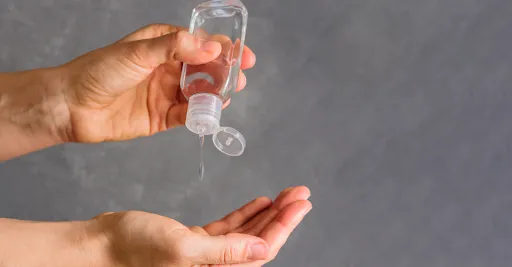
We’ve all been there — spritzing sanitizer after touching a doorknob, wiping down the grocery cart, scrubbing our hands until they squeak. But here’s the twist: going overboard with all those antibacterial soaps, gels, and wipes might actually be working against your immune system.
Why? Because every time we nuke germs, we may also be wiping out our body’s friendly microbes — and that can throw our health out of balance in a big way.
🌿 Meet Your Microbiome — Your Built-In Bodyguard
Your microbiome is this magical, microscopic world of bacteria, fungi, and even viruses living on your skin, in your gut, and all over your body. Most of them are good guys who:
Train your immune system to know friend from foe
Keep inflammation in check
Block harmful invaders
Support digestion, mood, and even metabolism
When you go heavy on harsh sanitizers (especially those with triclosan or constant high-alcohol formulas), you’re not just getting rid of bad germs — you’re evicting the good tenants too. That’s when trouble starts.
🛡 How Over-Sanitizing Weakens Your Defenses
A diverse microbiome is like an immune system gym — it teaches your immune cells how to respond appropriately. Without enough friendly microbes, your immune system can:
Overreact → allergies, eczema, autoimmune flares
Underreact → more infections and slower healing
Research even links excessive sterilization early in life with higher risks of asthma, eczema, and inflammatory bowel disease. It’s part of the “hygiene hypothesis” — the idea that a little dirt is actually good for building resilient immunity.
🚩 Signs Your Microbiome Might Be Out of Whack
You’re getting sick more often or taking longer to recover 🤧
Digestive drama (bloating, constipation, diarrhea)
Skin issues like rashes, dryness, or eczema
New allergies or food sensitivities
That vague “off” feeling or unexplained fatigue
💡 Protect Your Microbiome Without Ditching Hygiene
Be Gentle — Use mild soap and warm water instead of antibacterial soaps at home. Save the heavy-duty stuff for when it’s truly needed.
Limit the Sanitizer Loop — Alcohol-based sanitizers are great in a pinch (travel, public spaces), but no need to overuse them at home.
Feed Your Gut Garden — Load up on fiber-rich veggies, fruits, nuts, seeds, and fermented foods like sauerkraut, yogurt, and kimchi.
Get Outside & Get a Little Dirty — Gardening, walking barefoot on grass, or playing with pets boosts microbial diversity naturally.
Consider a Targeted Probiotic — Especially after heavy sanitizer or antibiotic use, the right probiotic can help restore balance (best to get guidance first).
🔬 When to Dig Deeper
If you’re battling frequent infections, skin flare-ups, digestive issues, or chronic fatigue, it might be time for some microbiome detective work:
Comprehensive stool testing to assess gut balance, pathogens, and inflammation
Secretory IgA to check gut immune health
Food sensitivity & leaky gut tests if symptoms point that way
Micronutrient testing to see if nutrient gaps are holding your immunity back
✨ The Takeaway
Sanitizers aren’t villains — they absolutely have their place (especially in medical settings or when preventing serious infections). But using them excessively at home can chip away at the very ecosystem that keeps you healthy.
By showing your microbiome some love, you’re not just protecting your skin and gut — you’re building a resilient, well-trained immune system ready for whatever life throws at you. 🌱💪
If you’re ready to uncover what’s going on in your microbial world, I can help you create a personalized plan to restore balance and strengthen your defenses — from the inside out.
References
Bloomfield SF, Stanwell-Smith R, Crevel RW, Pickup J. Too clean, or not too clean: the hygiene hypothesis and home hygiene. Clin Exp Allergy. 2006 Apr;36(4):402-25. doi: 10.1111/j.1365-2222.2006.02463.x. PMID: 16630145; PMCID: PMC1448690.
Rivera-Amill V. The Human Microbiome and the Immune System: An Ever Evolving Understanding. J Clin Cell Immunol. 2014 Dec;5(6):e114. doi: 10.4172/2155-9899.1000e114. Epub 2014 Nov 5. PMID: 27088046; PMCID: PMC4831629.
Rocha LA, Ferreira de Almeida E Borges L, Gontijo Filho PP. Changes in hands microbiota associated with skin damage because of hand hygiene procedures on the health care workers. Am J Infect Control. 2009 Mar;37(2):155-9. doi: 10.1016/j.ajic.2008.04.251. PMID: 19249642.
Haahtela T, Holgate S, Pawankar R, Akdis CA, Benjaponpitak S, Caraballo L, Demain J, Portnoy J, von Hertzen L; WAO Special Committee on Climate Change and Biodiversity. The biodiversity hypothesis and allergic disease: world allergy organization position statement. World Allergy Organ J. 2013 Jan 31;6(1):3. doi: 10.1186/1939-4551-6-3. PMID: 23663440; PMCID: PMC3646540.

Lighthouse Holistic Mental Health Care


Navigation
Contacts
https://mindbody.lighthousemh.com
MARYLAND RESIDENTS ONLY
Virtual appointments
(877) 779-2287
© 2025 All Rights Reserved